
The Cult of Simple: A Deep Dive into Linear's Pricing Strategy
Why does Linear feel so premium while being cheaper than Jira? We analyzed the psychology behind the most beautiful pricing page in SaaS.

In the world of B2B SaaS, “boring” is usually the default setting. We are used to clunky tables, confusing feature matrices, and “Contact Sales” buttons that lead to black holes.
Then there is Linear.
Linear didn’t just build a better issue tracker; they built a cult. They made project management feel like using a luxury consumer product. But while everyone praises their dark mode and keyboard shortcuts, almost no one talks about the engine that actually captures the value: Their Pricing Strategy.
As the founder of Revalyze, I spend my days analyzing pricing structures. I’ve seen thousands of pricing pages—from the disastrous to the decent. Linear’s page isn’t just “good design”; it is a masterclass in behavioral psychology and Product-Led Growth (PLG).
Today, we are going to tear it down. We will look at what they do right, where they hide the complexity, and what you—as a SaaS founder—can steal for your own startup.
Let’s decode the billions of dollars hidden in simplicity.
The “Anti-Atlassian” Approach
To understand Linear’s pricing, you first have to understand their enemy. Linear exists as the antithesis of Jira (Atlassian).
Jira’s pricing model is notoriously complex, filled with plugins, tiers, and administrative overhead. Linear’s strategy is aggressive simplicity. They don’t compete on “more features for less money.” They compete on “less friction for more focus.”
This philosophy bleeds directly into their pricing tiers.
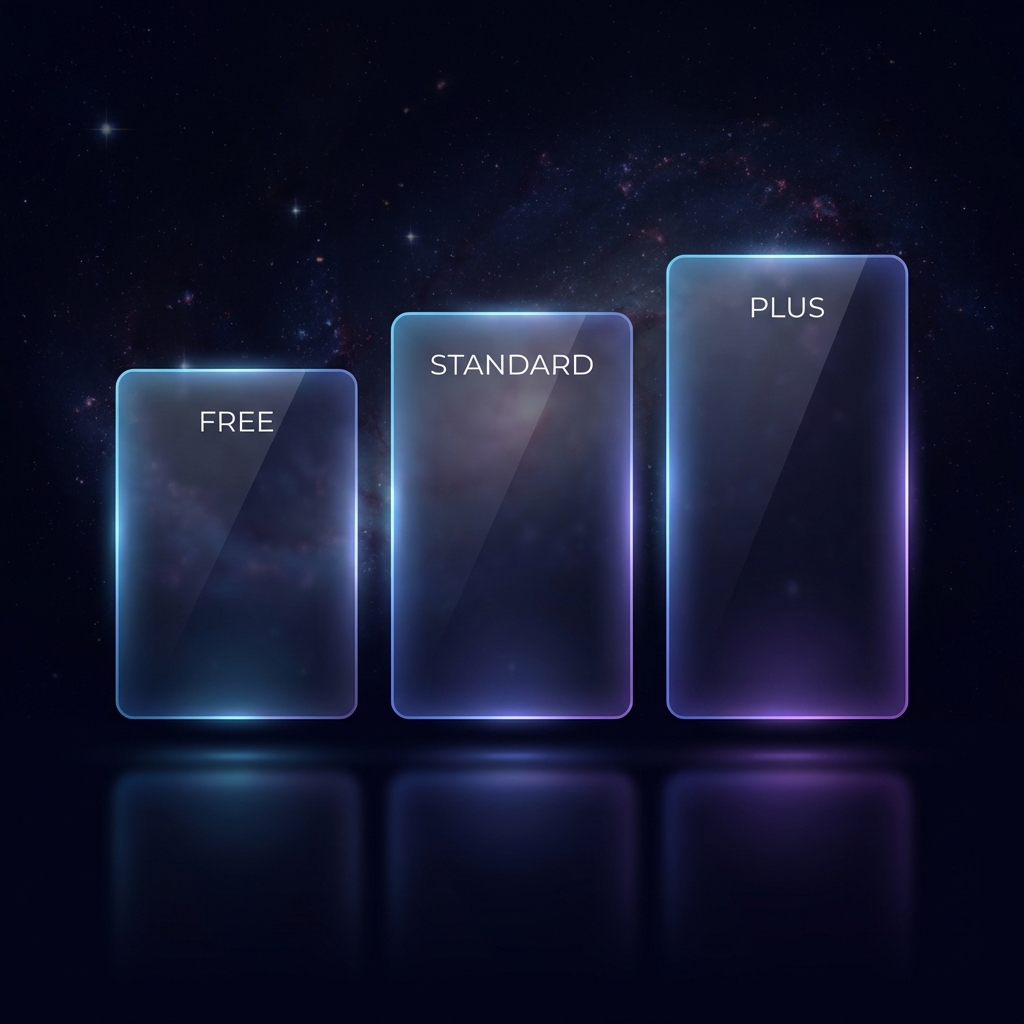
When you land on their pricing page, you aren’t hit with cognitive load. You are presented with a calm, confident path. Let’s break down the psychology of their three main pillars: Free, Standard, and Plus.
1. The Freemium “Honey Pot”: Unlimited Seats, Limited History
This is the genius stroke. Most B2B SaaS tools cap their free plans by seats (e.g., “Free up to 5 users”).
Why seat limits are often a mistake: If you limit a free plan to 5 users, you prevent the “network effect” from taking hold in a larger company. If a team of 10 wants to try your product, they can’t. They bounce.
What Linear does instead: Linear offers unlimited members on their free plan.
You can onboard your entire 50-person engineering team onto Linear tomorrow for $0. This removes the barrier to entry completely. It allows the tool to become “sticky” across the entire organization, not just a small pilot team.
So, how do they monetize? They limit “File Uploads” and “Issue History” (250 issues).
This is a classic “Usage-Based” trigger, but with a psychological twist.
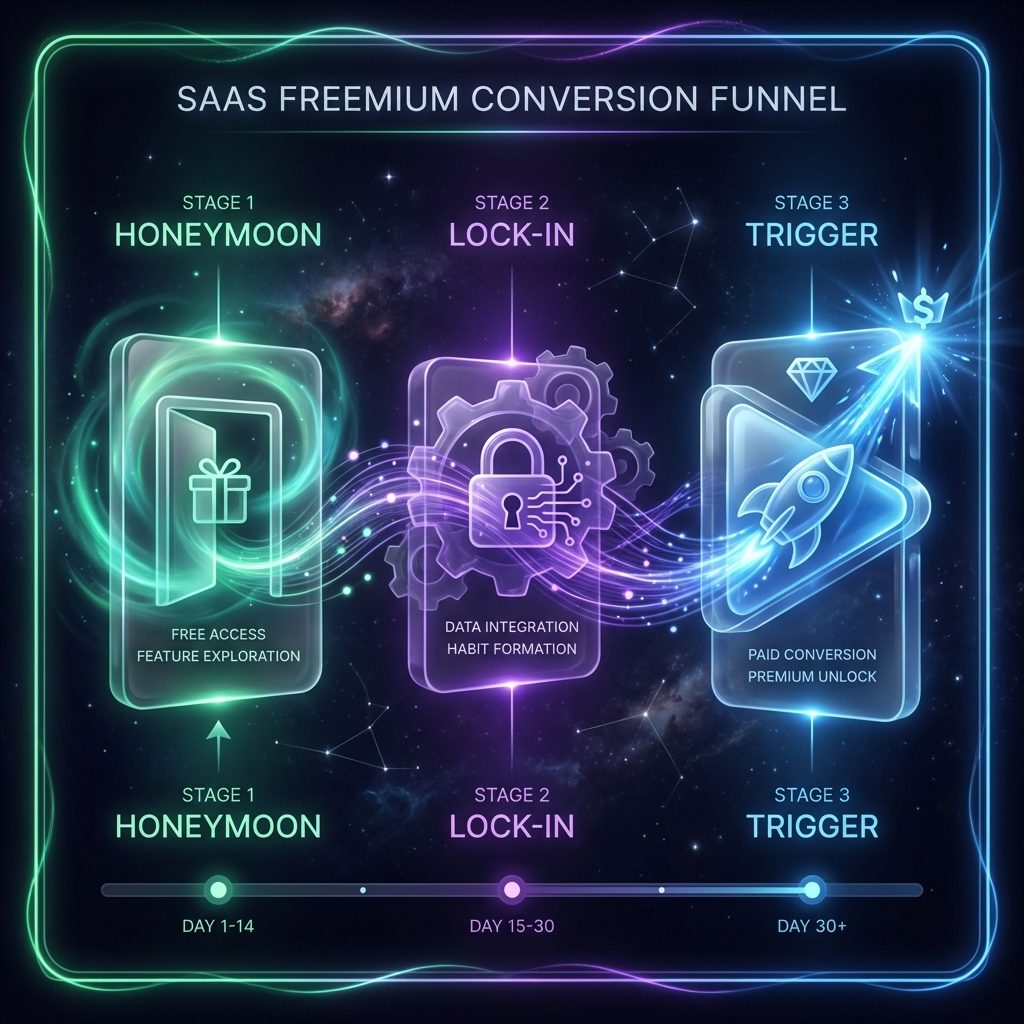
- The Honeymoon Phase: The team joins, loves the speed, and creates 100 issues. Everything is free.
- The Lock-in: By the time they hit issue #251, the entire team’s workflow is dependent on Linear.
- The Trigger: Suddenly, old issues disappear from view. The pain isn’t “we can’t add Bob to the team.” The pain is “we are losing our data.”
Takeaway for Founders: Don’t gate the people (seats) if your product relies on collaboration. Gate the value (data, history, volume). Let the team get addicted first; charge them when they can’t live without the history.
2. Naming Psychology: Why “Standard” Beats “Pro”
Words matter. Most SaaS companies name their middle tier “Pro,” “Growth,” or “Premium.”
Linear calls their paid tier “Standard.”
This seems subtle, but it is a powerful framing effect called Normative Framing.
- “Pro” implies that it is for “professionals” only—maybe I’m just a beginner, maybe I don’t need it yet. It sounds optional.
- “Standard” implies that this is the normal way to use the product. If you are a serious business, this is the baseline. Anything less is sub-standard.
At $8/user/month (billed annually), the “Standard” plan is positioned as the default choice for any functioning company. It sets the expectation that paying is the norm, not the exception.
3. The “No-Decision” Matrix
Have you ever looked at a pricing page and felt tired? That’s called Decision Fatigue.
Salesforce, HubSpot, and old-school enterprise tools love long comparison tables. “Checkmark… Checkmark… Dash… Checkmark.” You spend 10 minutes trying to figure out if you need the “Advanced Reporting Module.”
Linear’s feature comparison is shockingly short.
They don’t list every single feature because they know features don’t sell; outcomes do. Instead of a 50-row table, they group value into buckets:
- Free: Build software.
- Standard: Scale your process (Private teams, Guests).
- Plus: Enterprise controls (SSO, SLAs).
The “Private Teams” Lever: Notice that “Private Teams” is locked behind the Standard plan. This is a brilliant up-sell lever. A small startup doesn’t need privacy; everyone sees everything. But as soon as a company grows to ~20 people, they need to hide the “Executive Strategy” board from the junior devs. Linear knows exactly when that pain point hits and positions the paywall right there.
4. The SSO Tax (The Controversial “Plus” Tier)
This is where Linear gets a bit ruthless—in a smart way.
To get SAML / SSO (Single Sign-On), you must upgrade to the “Plus” plan, which is roughly double the price of Standard.
In the developer community, this is often called the “SSO Tax.” Many argue that security should be a basic right, not a luxury feature. However, from a pricing strategy perspective, it is the perfect segmentation tool.
- Who cares about SSO? IT Managers, CTOs, and Compliance Officers at large companies.
- Who doesn’t care? A 5-person startup.
By locking SSO behind the expensive tier, Linear effectively identifies “Enterprise” customers without needing a “Contact Sales” form. If you are big enough to mandate SSO, you are big enough to pay double per seat. It is a proxy for “Willingness to Pay.”
Revalyze Analysis: What Would We Change?
I ran Linear’s URL through Revalyze to see what our AI models would detect. While Linear gets an A+ for design and positioning, the data suggests there are still optimization opportunities.
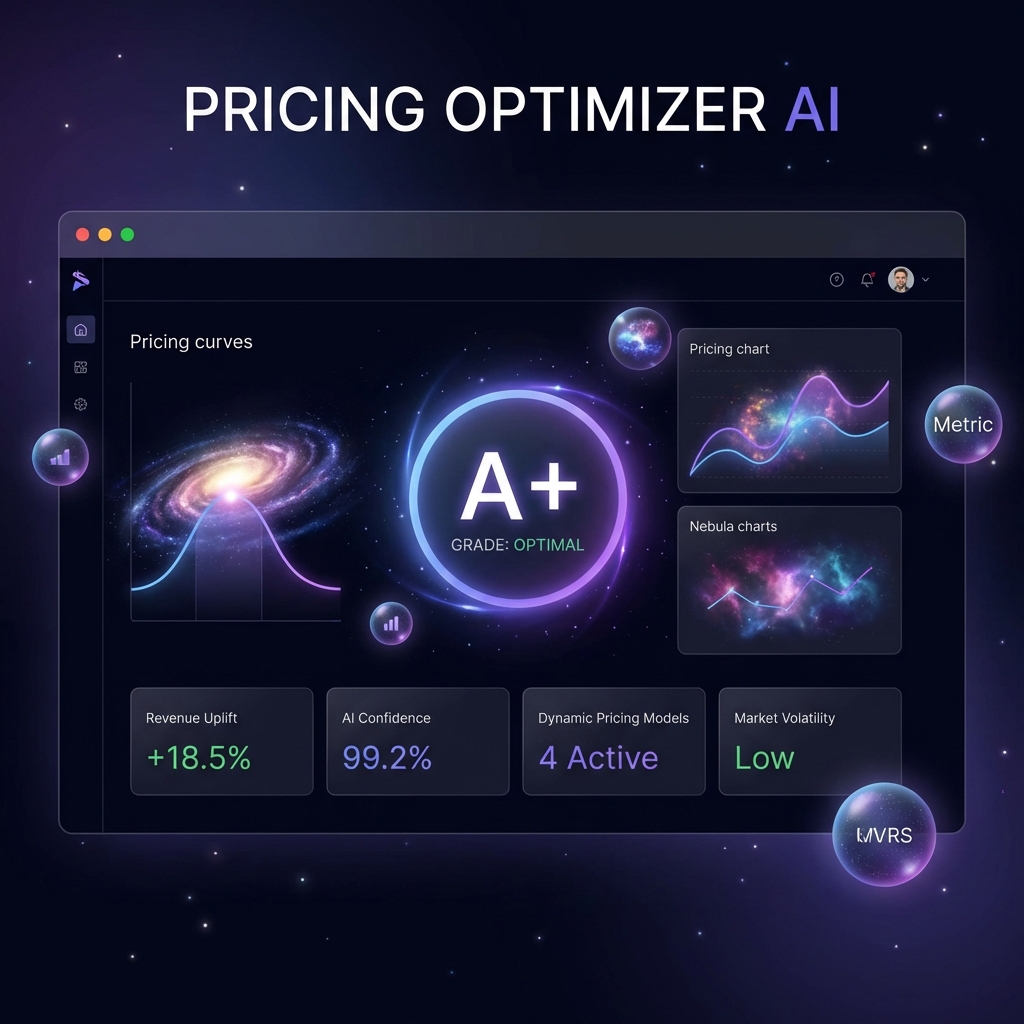
Here is what the “Revalyze Brain” flagged:
1. The “Annual” Discount Visibility
Linear offers a ~20% discount for annual billing ($8 vs $10). However, the toggle is subtle. Recommendation: Behavioral economics suggests that emphasizing the “2 months free” messaging more aggressively near the CTA button could increase cash-flow upfront (Annual adoption).
2. Lack of “Per-User” Clarification on Hover
The pricing card says “$8 per user/month.” In the SaaS world, “Active User” vs. “Seat” is a common point of confusion. Recommendation: A tooltip or a small note explaining how they handle “Guest” users vs. “Full Members” right on the card would reduce billing anxiety for new admins.
3. The Gap Between Standard and Plus
There is a significant jump from Standard ($8) to Plus ($14+). Recommendation: Revalyze’s simulation suggests a potential “churn risk” for mid-sized companies (30-50 employees) who need one specific Plus feature (like SLA) but can’t justify doubling their bill. A “modular” add-on strategy could capture this lost revenue.
Summary: What You Can Apply Today
You might not have Linear’s design team, but you can copy their pricing principles:
- Remove the barrier to the network effect. If your product is multiplayer, consider charging by usage/history rather than seats for the free tier.
- Rename your “Pro” plan. Try “Standard” or “Business.” Make paying feel like the default state.
- Hide the complexity. Don’t show a 100-row feature table unless you absolutely have to. Confidence sells.
- Tax the bureaucracy, not the usage. Charge premiums for things big companies need (SSO, SLAs, Audit Logs), not for things users love.
Pricing is not a math problem; it is a perception problem. Linear proves that if you control the perception, you win the market.
Is your pricing page working as hard as Linear’s?
Most founders guess their prices. At Revalyze, we don’t guess. We use AI to decode your positioning, analyze your competitors, and tell you exactly what your price should be.
Stop leaving money on the table. Paste your URL into Revalyze and get your free pricing audit in 60 seconds.